High Street Pinner rug cleaning and stain removal tips
If you live or work near High Street Pinner, you already know how quickly a rug can go from neat and welcoming to a bit tired-looking. One coffee spill, one muddy footprint after a wet afternoon, and suddenly the whole room feels off. These High Street Pinner rug cleaning and stain removal tips are written to help you deal with everyday messes properly, without making the problem worse.
Truth be told, most rug damage doesn't happen all at once. It creeps in through the little things: a rushed wipe, a wrong cleaning product, too much water, or waiting "until the weekend" and letting the stain settle in. This guide walks through what to do, what to avoid, and when it makes more sense to call in professional help. If you want to understand the process properly, not just guess your way through it, you're in the right place.
Why High Street Pinner rug cleaning and stain removal tips Matters
Rugs do more than sit there looking pretty. They catch dust, crumbs, pet hair, pollen, tracked-in street dirt, and the occasional disaster that arrives with a mug in one hand and no steady grip. In a busy home, especially one with kids or pets, that pile-up happens fast. In a small shop, reception area, or office nearby, it can happen even quicker because people bring in grit from outside all day.
Good rug care matters because stains are not just surface marks. A spill can sink into the pile, travel through the backing, and leave a dull patch or an odour that keeps coming back. Natural fibres, wool blends, viscose, jute, and synthetic rugs all react differently, and that is where a lot of people get caught out. A method that works on one rug may ruin another. Annoying, yes. But manageable.
There's also the visual side. A rug often sits in the centre of the room, which means every mark gets noticed. You might not consciously spot the dust build-up on a Tuesday morning, but you will notice when the room starts to feel grey and flat. A clean rug brightens the whole space. It can make a hallway feel more cared for, a living room look calmer, and a business entryway feel more professional.
For local residents and businesses, rug maintenance also supports a longer replacement cycle. Replacing a decent rug can be expensive, and if the rug is handmade or woven from delicate fibres, getting the care wrong can shorten its life dramatically. That is why practical cleaning habits, not just emergency stain removal, matter so much.
How High Street Pinner rug cleaning and stain removal tips Works
The basic idea is simple: identify the fibre, deal with the spill quickly, use the least aggressive method that can still do the job, and dry the rug properly. The detail, naturally, is where things get interesting.
Most rug cleaning follows four stages:
- Assessment - checking the fibre type, construction, backing, colourfastness, and the nature of the stain.
- Dry soil removal - vacuuming or shaking out loose grit before any liquid touches the rug.
- Targeted stain treatment - applying the right solution to the affected area, not soaking the entire rug.
- Controlled drying and finishing - removing moisture carefully so the rug does not smell damp or distort.
That assessment stage is the bit many people skip. A wool rug with a hand-knotted weave needs a very different touch from a synthetic hallway runner. And if you have a delicate item, it is often worth pairing stain work with a broader rug cleaning service so the whole piece is treated evenly rather than just chasing one obvious patch.
Spot stain removal also relies on chemistry, though let's keep it plain-English. Water-based stains, oily stains, protein stains, dye-based stains, and pet accidents all need slightly different handling. If you use the wrong approach, you can set the mark deeper into the fibres or spread it wider. Not ideal. At all.
A sensible routine is to work from dry to damp, from mild to stronger only if needed, and from the outer edge of the stain inward. That reduces spreading and helps preserve the pile. Professionals often use controlled extraction or steam-based methods for deep cleaning, which is where steam carpet cleaning can be relevant for some carpets and rug-adjacent fibres, although rugs should always be assessed on their own merits first.
Key Benefits and Practical Advantages
Proper rug care delivers more than a nice appearance. Here's what you actually gain.
- Better stain control - the faster and more appropriately you treat a spill, the less likely it is to become permanent.
- Longer rug life - grit acts like sandpaper underfoot, so regular cleaning helps prevent fibre wear.
- Fresher indoor air - rugs can hold dust and odours, especially in homes with pets or heavy foot traffic.
- Improved room presentation - a clean rug makes a space feel cared for, which people notice even if they don't say it.
- Less risk from DIY mistakes - using the right approach reduces bleeding, shrinkage, colour transfer, and backing damage.
There is also a comfort factor. A clean rug just feels better underfoot. That sounds small, but in a living room or bedroom, it matters more than most people admit. You know that moment when the room suddenly feels easier to breathe in? That's what good cleaning does.
If your rug is part of a broader soft-furnishing refresh, it can also be worth thinking in terms of the whole room. For example, lingering smells may come not only from the rug but from a sofa, curtains, or a mattress in the same environment. The related services for sofa cleaning, curtain cleaning, and mattress cleaning can make sense when the issue is broader than one mark on one rug.
Who This Is For and When It Makes Sense
These tips are useful if you are:
- a homeowner trying to keep a favourite rug presentable;
- a tenant who wants to avoid avoidable damage before moving out;
- a landlord or property manager dealing with routine wear;
- a small business owner keeping a reception or waiting area neat;
- a pet owner who needs faster responses to accidents;
- someone with a newer rug and no interest in learning the hard way.
The approach also changes depending on the situation. A fresh tea spill on a synthetic rug is one thing. A red wine mark on wool, or an old grease stain sitting in a high-traffic lane, is another altogether. Some marks are straightforward. Others are stubborn little blighters.
It makes sense to try home treatment when the stain is fresh, the rug is colourfast, and the fibre is forgiving. It makes less sense when the rug is antique, expensive, handmade, dyed with uncertain pigments, or already showing signs of shrinkage and wear. In those cases, restraint is your friend. A quiet, sensible pause now can save a lot of regret later.
If you're weighing up whether DIY is enough, it helps to review practical details such as treatment method, drying time, and overall condition before choosing between local professional cleaning and a targeted spot clean. If cost is part of the decision, the page on pricing and quotes is the most sensible place to start comparing options.
Step-by-Step Guidance
Here is a practical method that works for many everyday stains. It is deliberately cautious. Rugs can be fussy, and honestly, that's half the battle.
1. Act fast, but do not panic
Blot the spill straight away with a clean white cloth or paper towel. Press gently. Do not rub. Rubbing drives the liquid deeper into the fibres and can rough up the pile. If the spill is thick, lift off the excess first with a spoon or dull edge, then blot what remains.
2. Check the fibre and test first
Before you apply anything, check whether the rug is wool, synthetic, silk, viscose, cotton, or a blended piece. If you are unsure, assume it is more delicate than you think. Test any cleaner in a hidden corner and wait for colour transfer, fading, or texture change. A five-minute test can save an afternoon of disappointment.
3. Remove dry dirt before wet cleaning
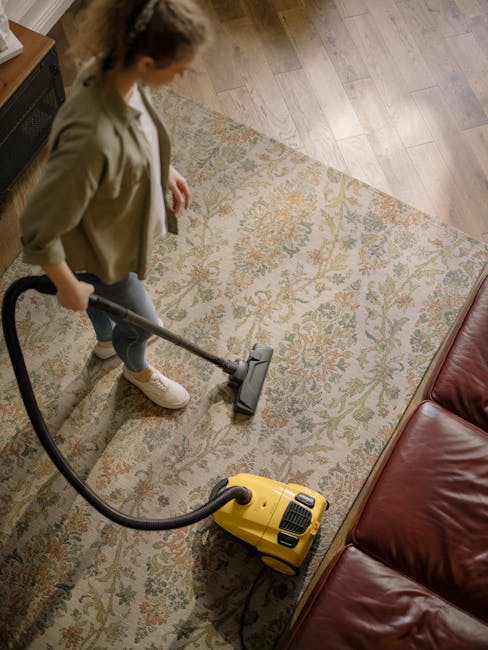
Vacuum both sides if possible, using a gentle setting on the rug face. This step matters because dry grit can turn into mud once liquid is added. On some rugs, a soft brush helps lift the pile before spot treatment. Keep it light.
4. Use the right solution for the stain
For many fresh food or drink stains, a small amount of cool water and mild pH-neutral cleaner is enough. For greasy marks, absorbent powder or a suitable upholstery-safe cleaner may help first. For pet accidents, treat odour and staining together rather than only masking the smell. If that is a recurring issue, pet stain odour removal is the more focused route.
5. Work from the outside in
Apply solution sparingly around the edge of the stain, then move inward. That keeps the stain from spreading into a larger halo. Use a blot-and-lift motion rather than scrubbing. If the stain starts to reappear as it dries, repeat gently rather than over-soaking the area.
6. Rinse lightly if needed
Some cleaning products leave residue, which can attract dirt later. A very light rinse with clean water and blotting can help, provided the rug can handle moisture. Less is more here. A drenched rug takes longer to dry and can develop smells, colour movement, or rippling.
7. Dry properly
Airflow matters. Open a window if the weather allows, use a fan if needed, and keep the rug flat and supported. Avoid placing it over direct heat, which can harden fibres or distort the backing. If the room smells faintly damp by evening, the rug probably needs more drying time. Trust your nose on this one.
8. Finish with a full check
Once dry, vacuum again to lift the pile and check whether the mark has truly gone. Sometimes a stain looks removed while the residue is still faintly there. Better to catch that early than after it has re-set.
Expert Tips for Better Results
Experienced cleaners tend to be slightly boring in the best possible way. They avoid drama, use less product than you expect, and pay attention to fibre behaviour.
- Always blot with white cloths so you can see what is transferring and avoid dye bleed from coloured fabric.
- Keep water cool unless a product says otherwise. Heat can set some stains, especially protein-based ones.
- Use minimal moisture on natural fibres. Wool can tolerate some cleaning, but soaking is where trouble starts.
- Lift, don't grind. A gentle dabbing motion protects the pile and keeps the stain localised.
- Deal with odour at the source. Fragrance is not the same as cleaning. The smell may fade for an hour and then return, which is irritating in a very specific way.
- Rotate rugs regularly so sunlight and traffic wear don't create uneven fading or flattening.
One practical habit that helps a lot: keep a small rug-care kit somewhere easy to reach. If the spill happens at 8:15 in the morning and you're already half out the door, that kit is the difference between a quick fix and a bigger problem. That is just life, really.
If the rug is heavily soiled, deeply embedded with sand, or showing overall dullness rather than one obvious stain, targeted spot work may not be enough. In those cases, broader treatment through carpet cleaning or specialist rug care can be a more efficient option than trying to rescue it one patch at a time.
Common Mistakes to Avoid
Most rug mishaps are not dramatic. They are ordinary, repeated mistakes. The good news? They are avoidable.
- Scrubbing aggressively - this frays fibres and spreads the stain.
- Using too much product - residue attracts dirt and can leave a tacky patch.
- Skipping the test patch - colour damage often shows up after the fact, which is the worst time.
- Over-wetting the rug - too much moisture can damage backing, delay drying, and cause odour.
- Mixing cleaners casually - some combinations can react badly or simply cancel out the intended result.
- Leaving a stain to "dry and deal with later" - later often means more work and less chance of complete removal.
- Ignoring the underside - if a spill goes through, the backing may need attention too.
There is also the temptation to treat every stain the same way because it worked once before. That's the trap. A coffee stain, a muddy mark, and a pet accident are not the same job. Not even close. The fibre, dye, backing, and residue all matter.
Tools, Resources and Recommendations
You do not need a cupboard full of specialist products to care for a rug properly. In many homes, a simple kit is enough:
- white microfibre cloths or plain white towels;
- a vacuum cleaner with a gentle setting;
- a soft brush;
- a small bowl for mixing mild cleaning solution;
- clean cool water;
- paper towels for immediate spill absorption;
- a fan or good airflow for drying.
For larger or more stubborn issues, the best recommendation is often to combine good home care with professional cleaning when the rug needs deeper attention. If you want a service overview rather than guessing which treatment fits best, the stain removal service page is a useful starting point because it sits naturally alongside rug-specific treatment.
For people who prefer a fully managed approach, the business pages on about the company and contact us help you check who you're dealing with, while insurance and safety gives extra reassurance before any cleaner works in your home or workplace. That's the sort of thing sensible customers look for, and rightly so.
Law, Compliance, Standards, or Best Practice
For rugs in homes, there usually is not a special legal rule about how you clean them. The better lens is best practice: use suitable products, avoid causing damage, and keep people safe while cleaning. In a business setting, though, the expectations are broader. You should think about safe chemical use, ventilation, slip risk from wet floors, and protecting occupants, staff, and visitors while cleaning is underway.
That means keeping cleaning solutions stored correctly, following product instructions carefully, and not leaving wet rugs where someone might trip or slide. If you are operating in a commercial environment, it is sensible to align with general workplace health and safety practice rather than improvising. The site's health and safety policy and terms and conditions pages are the sort of documents many clients like to review when choosing a provider.
There is also a practical accessibility angle in public spaces. A wet rug in a customer-facing area can become a hazard, and drying time matters more than people think. A neat-looking floor is good. A safe floor is better. Sounds obvious, but it is easy to forget when you are focused on removing the stain before lunch.
For households and businesses thinking about wider responsibility, sustainability can matter too: using fewer harsh products, reusing cloths sensibly, and avoiding unnecessary replacement of damaged items. If that is part of your decision-making, the recycling and sustainability page is worth a look for the company's broader approach.
Options, Methods, or Comparison Table
Different rug situations call for different methods. A quick comparison helps narrow things down.
| Method | Best for | Advantages | Watch-outs |
|---|---|---|---|
| Blotting with mild solution | Fresh drinks, light food stains, small surface marks | Fast, low risk, easy to do at home | May not remove deep or old stains fully |
| Absorbent treatment then blotting | Grease or oily spills | Helps draw out residue before wet cleaning | Needs patience and correct timing |
| Deep professional rug cleaning | Large rugs, old stains, traffic soiling, delicate fibres | More even results, better residue removal | Requires assessment, drying time, and cost planning |
| Specialist pet stain treatment | Urine, odour, repeated pet accidents | Targets both stain and smell | DIY masking often leaves the problem behind |
For many readers, the right choice is not one method alone but a sequence: immediate blotting, careful local treatment, then scheduled deep cleaning when needed. Simple. Not always easy, but simple.
Case Study or Real-World Example
Here's a realistic example from a typical high-traffic home. A family has a medium-pile rug in the living room near the front window, so it gets daylight, daily foot traffic, and the occasional snack spill. One Saturday afternoon, a mug of tea tips over. The spill is small, but because the rug sits on a pale base, the stain looks worse than it is.
They blot immediately with a white towel, test a mild cleaner in the corner, and treat the stain from the outside in. So far, so good. But the first attempt uses too much water, and by evening there is still a faint ring. This is where patience matters. The rug is left to dry fully with airflow, then treated again lightly the next day. The mark fades significantly, and the pile is revived with a final vacuum.
Now compare that with a second scenario. A pet accident lands on a wool-blend rug. The owner cleans the visible mark but does not treat the odour source. A few warm days later, the smell comes back. That is the moment many people realise stain removal and odour removal are related but not identical jobs. For recurring or deeply soaked incidents, a more specific approach such as pet stain odour removal is far more effective than a one-off wipe-down.
The lesson is pretty clear: the right first response helps, but the long-term result depends on fibre care, residue removal, and proper drying. Little decisions stack up.
Practical Checklist
Use this quick checklist before, during, and after cleaning:
- Identify the rug fibre and construction if possible.
- Check whether the stain is fresh, dry, greasy, coloured, or biological.
- Blot first; do not rub.
- Test any cleaner on a hidden area.
- Use minimal liquid.
- Work from the outer edge inward.
- Rinse lightly only if appropriate.
- Dry fully with airflow.
- Vacuum or groom the pile once dry.
- Escalate to professional help if the stain remains or the rug is delicate.
Practical takeaway: if you remember only one thing, make it this: treat the rug gently, use less moisture than you think, and dry it properly. That combination solves more problems than fancy products ever will.
Get a free quote today and see how much you can save.
Conclusion
Good rug care is mostly about timing, restraint, and knowing when a stain is bigger than it first appears. The best High Street Pinner rug cleaning and stain removal tips are not the flashiest ones. They are the careful ones: blot quickly, test first, use the right method, and dry the rug properly. That is how you protect both the look and the life of the piece.
Whether you are dealing with one awkward tea spill or trying to keep a whole room looking fresh, a little attention now saves a lot of bother later. And to be fair, a clean rug just makes the whole place feel more settled. Better underfoot, better to look at, easier to live with. That's the nice part.
If a stain is persistent, the rug is delicate, or you simply want a more thorough result, it is perfectly reasonable to step back and get help rather than keep experimenting. Sometimes the smartest move is the least dramatic one. Funny how often that turns out to be true.
Frequently Asked Questions
How do I remove a fresh stain from a rug without spreading it?
Blot the area gently with a white cloth and work from the outside of the stain toward the centre. Avoid rubbing, because that tends to push the liquid deeper and widen the mark.
Can I use carpet cleaner on a rug?
Sometimes, yes, but not always. Rugs can be more delicate than fitted carpets, especially if they are wool, viscose, silk, or hand-made. Always test first and use the mildest option that might work.
What is the best way to clean a wool rug at home?
Use a vacuum first, then spot clean carefully with a small amount of cool water and a wool-safe or pH-neutral cleaner. Keep moisture low and dry the rug thoroughly afterwards.
Why does my rug smell after I clean a stain?
That usually means the rug is still holding moisture, or the stain source was not fully removed. Odours can linger in the backing or underlay, especially after pet accidents or heavy spills.
How often should a rug be professionally cleaned?
It depends on traffic, fibre type, pets, and location. A high-use rug may need more regular attention than one in a quiet room. If it looks dull, feels sticky, or keeps holding odours, that is often a sign it needs deeper care.
Is steam cleaning safe for all rugs?
No, not for all rugs. Some rugs handle hot water extraction well, while others can shrink, bleed, or distort. Always confirm the fibre type before choosing a steam-based method.
What should I do about pet urine on a rug?
Act quickly, blot thoroughly, and treat the odour source as well as the visible stain. Pet accidents often need more than a surface clean, which is why dedicated treatment is often the better route.
Can old stains still be removed?
Sometimes, yes, but the chances depend on the stain type, fibre, and whether the stain has been set by heat or repeated cleaning attempts. Old stains often need professional assessment.
Should I clean both sides of the rug?
If the stain has soaked through or the rug is heavily soiled, cleaning the underside can help. It also lets you check for residue, odour, and moisture that may be trapped below the visible surface.
How long should a rug take to dry after cleaning?
Drying time varies with size, fibre, airflow, and how much moisture was used. The important thing is not the clock itself but making sure the rug is fully dry before it goes back into normal use.
Where can I find more help with related soft-furnishing cleaning?
If the issue is not just the rug, it can help to look at other room textiles too. Related pages such as upholstery cleaning and curtain cleaning are useful if the whole space feels dusty or marked rather than just one item.
What if I am not sure what type of rug I have?
If you are unsure, treat it as delicate. Avoid strong products, avoid heavy water use, and consider professional assessment. A cautious approach is usually the safest one, especially with handmade or blended rugs.