Recycling and Sustainability at Pinner Carpet Cleaners
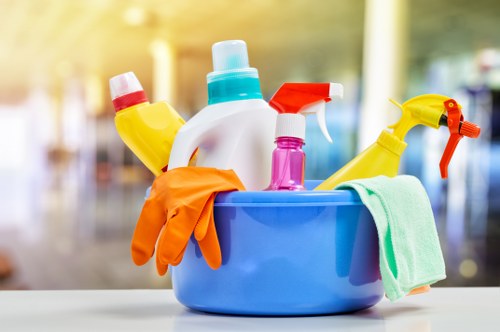 At Pinner Carpet Cleaners, sustainability is built into the way we work, from the products we choose to the way we manage waste after every job. Our aim is to make carpet cleaning in Pinner cleaner for your home and cleaner for the environment. That means reducing what goes to landfill, improving how materials are separated, and using practical methods that support local recycling systems. We also set a clear recycling percentage target of 85% of all recoverable waste diverted from landfill by sorting, reusing, and sending suitable materials into the correct waste streams.
Like many parts of west London, Pinner benefits from a well-developed approach to household and business waste separation. Borough-level recycling systems encourage residents to sort paper, cardboard, glass, metals, and plastics carefully, and this same mindset shapes how we operate. Our team reflects those local expectations by separating dirty packing, reusable textiles, plastic waste, and spent consumables wherever possible. This helps us support a more circular approach to carpet and upholstery cleaning, where materials are handled responsibly rather than simply discarded.
We also work with local transfer stations and authorised waste handling facilities to make sure collected waste is processed correctly. These sites play an important role in moving mixed waste into more suitable recycling routes, and they help us stay aligned with borough requirements for responsible disposal. By using local transfer stations rather than unnecessary long-distance transport, we keep waste handling efficient and reduce the carbon impact associated with each service visit.
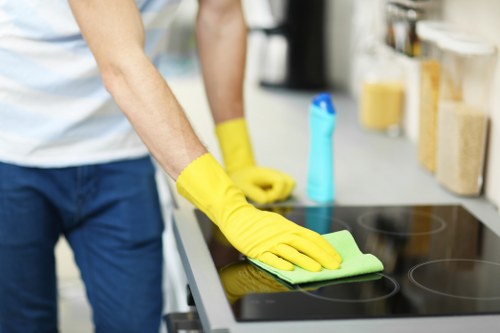 A key part of our sustainable carpet cleaning in Pinner is careful sorting on site. Whenever a project generates packaging, used cloths, or worn accessory parts, we separate them into the correct recycling streams wherever local rules allow. In areas that operate stricter waste separation systems, we follow the same principles by keeping dry recyclables apart from general waste and ensuring contaminated items are handled safely. This practical approach supports better outcomes for local recycling facilities and reduces the amount of recoverable material lost to landfill.
We also make sure that the way we move equipment is as low-impact as possible. Our low-carbon vans are selected to improve fuel efficiency and reduce emissions on routine journeys across Pinner, Northwood, Ruislip, and nearby neighbourhoods. These vehicles support a lower-carbon service model, especially when combined with route planning that cuts down on unnecessary mileage. For customers who want an environmentally aware carpet cleaning service, this is one of the most direct ways we reduce our footprint.
Beyond everyday recycling, we support reuse wherever it is appropriate. Some materials can be passed on for secondary use, while others are prepared for specialist recycling after professional collection. In a borough setting where residents are increasingly encouraged to separate food waste, mixed plastics, and dry recycling, this reuse-first mindset helps us stay in step with the wider community. It also reflects an understanding that sustainability is not only about disposal, but about extending the useful life of materials wherever possible.
 Partnerships with charities are another important part of our sustainability efforts. When equipment, textiles, or other usable items reach the end of our own operational need but still have value, we look for ways to donate them to charitable organisations or community groups. This can support local causes, reduce waste, and give products a second life. Through these partnerships, Pinner Carpet Cleaners helps ensure that reusable items are redirected toward positive community use rather than being treated as refuse.
Charity partnerships also align well with the broader local emphasis on responsible consumption. In many parts of the borough, households are increasingly mindful of what can be recycled, what can be reused, and what must go to residual waste. We take the same approach by reviewing every material stream carefully. Whether it is cardboard from supply deliveries, plastic wrapping, or out-of-service consumables, we try to find the most environmentally sound route available. This is part of our commitment to being a recycling-conscious carpet cleaner for the area.
Our sustainability work extends to the products we use in day-to-day operations. Where possible, we choose solutions that are efficient in use, reduce waste, and help us avoid unnecessary over-application. Less product waste means less packaging waste and fewer disposal issues later. Combined with proper recycling procedures, this creates a more responsible operating model for eco-friendly carpet cleaning in Pinner and the surrounding districts.
 Training is also part of the picture. Our teams are encouraged to follow consistent waste-separation habits so recyclable items are not mixed with general waste. This is especially important in a local area where borough collection systems often distinguish between dry recycling, garden waste, food waste, and refuse. By mirroring those same principles in our own operations, we can contribute to cleaner recycling streams and better processing outcomes at local facilities.
We believe sustainability should be measurable, so our recycling target is reviewed regularly against actual operational results. Tracking the percentage of waste diverted from landfill helps us identify where we can improve, whether that is through smarter ordering, better reusable materials, or more effective charity donation routes. It also keeps us accountable as a business that serves homes, landlords, and commercial premises across the area.
 Looking ahead, Pinner Carpet Cleaners will continue to strengthen its green practices through low-carbon vans, responsible partnerships, and practical recycling choices. Our goal is simple: to provide dependable carpet cleaning in Pinner while reducing waste and supporting the systems that keep the local environment cleaner. By combining borough-aware waste separation, local transfer station use, and charity collaboration, we are building a service that is both effective and environmentally responsible.