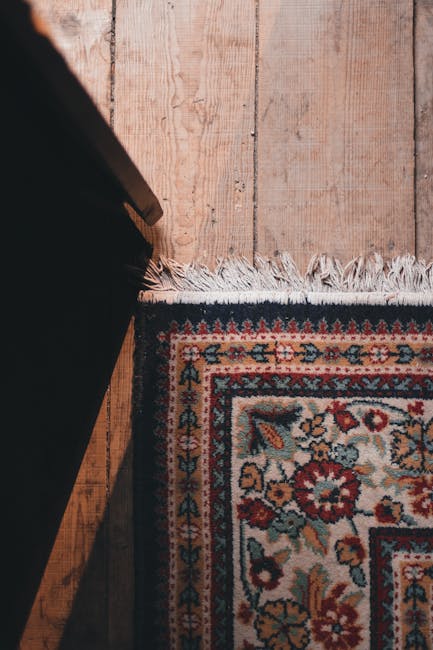
Pinner Village carpet cleaning guide for period homes
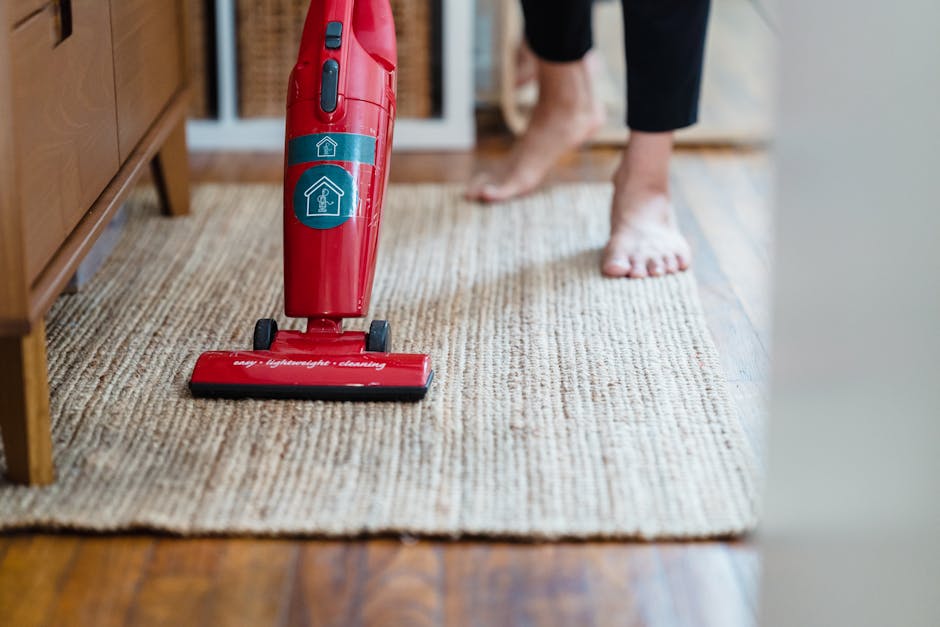
If you live in a period property in Pinner Village, carpet care is a little different from the average modern home. Floors may be older, subfloors less forgiving, and the carpets themselves could be wool, wool-rich, natural fibre, or even a delicate fitted stair runner that has seen decades of use. This Pinner Village carpet cleaning guide for period homes is written to help you clean well without causing avoidable damage. It covers what to watch for, how the process works, which methods suit older homes, and where professional support makes the most sense.
To be fair, period homes reward careful upkeep. Get the approach right and the carpet looks cleaner, smells fresher, and lasts longer. Get it wrong and you may end up with browning, shrinkage, dye bleed, or a patch that never quite dries. Let's keep things practical.
- Why it matters
- How carpet cleaning works in period homes
- Key benefits and practical advantages
- Who this is for and when it makes sense
- Step-by-step guidance
- Expert tips for better results
- Common mistakes to avoid
- Tools, resources and recommendations
- Law, compliance, standards, or best practice
- Options, methods, or comparison table
- Case study or real-world example
- Practical checklist
- Conclusion
- Frequently asked questions
Why Pinner Village carpet cleaning guide for period homes Matters
Period homes in Pinner Village often bring together old craftsmanship and modern day living. Beautiful original features are great, but carpets in these homes usually face a few extra complications: uneven floors, older underlay, draughty rooms, fireplaces, and occasional damp patches around exterior walls or bay windows. That mix changes how dirt behaves and how moisture should be managed.
Older carpets can be more sensitive too. Wool carpets respond differently to cleaning chemistry than synthetic pile. Natural fibres can hold soil deep in the tuft, and antique or semi-antique runners may have tired backing that needs a gentler touch. If you've ever lifted a hall runner and found a little surprise of dust underneath, well, that's not unusual in a house with character. It's just life in a lived-in older home.
Good cleaning matters because dirt is abrasive. Every footstep grinds tiny particles into the pile, slowly flattening fibres and dulling the finish. Stains left too long can oxidise, migrate, or set into the backing. In period homes, you also want to protect the building fabric itself. Over-wetting can encourage smells, prolong drying, and in some cases affect timber floors beneath the carpet. Nobody wants that musty smell that seems to hang around by the stairs for days.
There's also a comfort factor. A fresh carpet changes how a room feels, especially in a heritage property where rooms may already be cool or lightly used. Clean carpet, clean air, less grit underfoot. It's one of those small wins that makes daily life feel easier.
How Pinner Village carpet cleaning guide for period homes Works
The basic principle is simple: remove loose soil first, treat stains carefully, then clean the fibres with the least aggressive method that will still do the job properly. In period homes, the real skill lies in judging moisture, fibre type, age, and backing condition before choosing the method.
A responsible cleaner will normally start with a survey of the carpet and room conditions. That might include checking for colour fastness, looking at wear patterns, noting any old repairs, and identifying whether the carpet is wool, synthetic, or a blend. They'll also look at access, ventilation, and the likely drying time. In a house with deep skirting boards, old floorboards, and a cool north-facing room, drying can be slower than you expect. It happens.
The cleaning stage often includes dry soil removal, pre-treatment of spots, agitation if appropriate, and extraction or low-moisture cleaning. For period homes, the key is control. Too much water is the enemy of a happy carpet. Too much heat can be, too. Some methods rely on steam as a casual shorthand, but what people usually want is a hot water extraction-style result, managed carefully and not flooded into the pile. For more detail on this approach, the service page for steam carpet cleaning is a useful reference point.
After cleaning, the process is not really finished until the carpet is drying steadily and evenly. Fans, ventilation, and sensible room temperature all help. If there is a lingering damp smell after cleaning, that usually means one of two things: too much moisture was used, or not enough airflow was available. Simple enough, but easy to miss in a busy household.
Key Benefits and Practical Advantages
Done properly, carpet cleaning in period homes delivers more than a brighter floor. It supports the feel, hygiene, and longevity of the whole room.
- Better appearance: traffic lanes, edge soil, and dull patches lift away, which matters a lot in entrance halls and reception rooms.
- Longer carpet life: removing grit reduces fibre wear and helps avoid that tired, matted look.
- Improved indoor freshness: old dust, pet smells, and everyday cooking odours can linger in older buildings.
- More comfortable living: a clean carpet feels softer and cleaner underfoot, especially in bedrooms and sitting rooms.
- Better stain control: fresh treatment is usually more successful than waiting months and hoping for the best. Spoiler: hoping is not a treatment method.
- Protection for heritage features: careful moisture control helps reduce the risk of affecting timber floors, plaster, or original skirting nearby.
There is also a psychological benefit that people often mention quietly. A clean period home feels looked after. Not showroom-perfect, not stripped of character, just cared for. That can make a difference on a grey Tuesday afternoon when the whole place feels a bit heavy.
Who This Is For and When It Makes Sense
This guide is for anyone living in, renting, buying, or maintaining a period home in Pinner Village who wants to clean carpets without making avoidable mistakes. That includes Victorian terraces, Edwardian semis, older cottages, and converted heritage buildings where the carpet may be as old as the room's stories.
It makes particular sense if you are dealing with any of the following:
- wool or wool-blend carpets
- stair carpets that show heavy wear at the nosing
- hall runners that collect grit from front doors and footwear
- smoke, pet, food, or damp-related odours
- stains that have sat in place for a while
- rooms with limited ventilation or colder corners
- carpet laid over older floors where excess moisture should be avoided
Professional cleaning is often the sensible choice if the carpet is valuable, unusually fragile, or fitted in a tight stairwell. It also makes sense when a stain is spreading, when odour is persistent, or when you simply do not want to gamble with expensive flooring. Honestly, that is usually the point where confidence and caution part ways.
If you are comparing options for your home, you may also want to review the company's broader carpet cleaning service alongside related care options such as rug cleaning, upholstery cleaning, and stain removal for heavily marked areas.
Step-by-Step Guidance
Here is a practical method you can follow, whether you are doing a light maintenance clean yourself or preparing for a professional visit.
- Identify the carpet type. Wool, synthetic, sisal, and blended fibres all need different handling. If you are not sure, assume it is delicate until proven otherwise.
- Check for weak spots. Look for fraying seams, loose edges, old repairs, moth damage, or thinning on the stairs.
- Vacuum slowly and thoroughly. Go both directions if possible. Period home carpets often hold grit deeper than you think, especially near entrances.
- Test a small area. Before using any product, test in a hidden corner. Wait for it to dry. Patience saves embarrassment.
- Pre-treat stains. Apply the right product lightly and allow dwell time. Do not scrub hard; that can distort the pile.
- Clean with controlled moisture. Use only the amount of liquid needed to lift soil. Older carpets do better with restraint than enthusiasm.
- Extract or blot carefully. Remove residue thoroughly so the carpet does not dry sticky or attract dirt again.
- Dry the room well. Open windows if weather allows, use fans if needed, and keep foot traffic light until fully dry.
- Inspect after drying. Check for wick-back, browning, or shadowing once the carpet is fully dry. Problems sometimes only show up then.
If the carpet has a tough stain or an unusual smell, professional treatment may be worth considering before you experiment. Some stains, especially old food spills or pet-related marks, respond better to specialist methods. For that sort of issue, pet stain and odour removal can be especially relevant.
Expert Tips for Better Results
In practice, the best results in period homes usually come from small choices made early. Not dramatic ones. Small, careful ones.
Start with the driest method that still makes sense. Dry soil removal is not glamorous, but it matters. A thorough vacuum can improve the outcome of any wet cleaning method afterwards.
Be cautious with over-the-counter stain products. Some are too alkaline, some leave residue, and some can alter the colour of natural fibres. If you are unsure, use plain white blotting cloths and a minimal amount of suitable cleaner rather than going straight in with the nearest bottle under the sink.
Watch for edges and transitions. Carpets in period homes often meet old wooden flooring, tile, or thresholds. These junctions collect dust and can show tide marks if too much moisture is used. Clean them gently, not aggressively.
Think about the room as a whole. Curtains, sofas, and rugs all affect how clean the carpet feels in the end. A room can have a freshly cleaned floor and still feel tired if the upholstery and soft furnishings are holding odour. That is why linked services like curtain cleaning and sofa cleaning can make a real difference.
Schedule cleaning around the weather. A damp November evening is not the easiest time for a deep clean in an old house. Spring and summer can be kinder, but good airflow matters more than the calendar. Early morning cleaning can also help give the room longer drying time before evening drops in temperature.
Expert summary: in period homes, gentle chemistry, low moisture, and patient drying usually outperform harsh products and rushed work. The cleanest carpet is not always the wettest one.
Common Mistakes to Avoid
Most carpet damage in older homes does not happen because people meant to be careless. It happens because they were trying to do the right thing quickly. Very human, that.
- Using too much water: this is the big one. It can cause shrinkage, long drying times, and odour.
- Scrubbing stains aggressively: this spreads the mark, damages pile texture, and can fuzz delicate fibres.
- Cleaning without testing: hidden colour loss is a nasty surprise, especially on patterned carpets.
- Ignoring the backing: an older carpet may look fine on top while the backing is fragile underneath.
- Leaving detergent in the pile: residue attracts new dirt and can make the carpet look worse again in weeks.
- Assuming every stain is removable: some marks are permanent, some are faded rather than dirty, and some have chemically altered the fibre.
- Forgetting ventilation: a period home with closed windows and thick curtains can hold moisture longer than you expect.
There is also a subtle mistake people make: cleaning only the visible centre of the room. The edge soil and traffic path often matter just as much. If the middle is done and the hallway is left grimy, the whole home still reads as tired.
Tools, Resources and Recommendations
You do not need a massive kit to keep period home carpets in good shape, but the right tools help. Keep it simple and suitable for older fibres.
- High-quality vacuum cleaner: ideally with adjustable height and attachments for stairs and edges.
- White microfibre cloths: useful for blotting without transferring dye.
- Gentle carpet-safe cleaning solution: always use according to the product guidance and test first.
- Soft brush or grooming tool: helps lift pile after cleaning without pulling fibres.
- Fans or air movers: useful for improving drying in cooler rooms.
- Protective gloves: sensible for handling cleaning products, especially in tighter stair spaces.
For homeowners weighing up professional help, it is worth looking at service details and policies, not just the headline promise. Clear information on pricing and quotes, insurance and safety, and health and safety policy can tell you a lot about how seriously a company takes the work. If sustainability matters to you, the page on recycling and sustainability is also worth a look.
If you want to understand the business behind the service before booking, the about us page can help with that. And if you have questions about booking, payments, or service terms, those details are usually best checked directly on the site's policy pages, including payment and security and terms and conditions.
Law, Compliance, Standards, or Best Practice
Carpet cleaning in period homes is not usually about legal complexity, but good practice still matters. In the UK, responsible operators should work safely, use suitable products, and avoid creating hazards through excess moisture, poor cable management, or slippery floors. If a cleaner is working in a lived-in home, they should also respect the property, the occupants, and the condition of the fabric.
From a homeowner's point of view, the main best-practice questions are straightforward: Is the cleaner insured? Are products used appropriately for the fibre type? Is the drying process managed properly? Are any risks explained clearly before work begins? If the answer to those is yes, you are in a much better place.
For period properties, best practice also means respecting the age and vulnerability of the materials. A carpet does not always need the strongest cleaning possible. It needs the most suitable cleaning possible. That distinction is easy to miss, but it matters.
If you are booking a service, it is sensible to review practical policy information first, including the company's privacy policy, cookie policy, accessibility statement, and complaints procedure. That is just good housekeeping, really.
Options, Methods, or Comparison Table
Different carpets and different rooms call for different approaches. Here is a simple comparison to help you judge what tends to suit period homes best.
| Method | Best for | Strengths | Watch-outs |
|---|---|---|---|
| Routine vacuuming | All period home carpets | Removes loose grit, protects fibres, easy to repeat | Will not remove deep stains or odours |
| Spot cleaning | Fresh spills and small marks | Quick, targeted, low disturbance | Can spread stains if overused or rubbed too hard |
| Low-moisture professional cleaning | Older fitted carpets and delicate rooms | Reduced drying time, less risk of over-wetting | May need more than one pass on heavily soiled areas |
| Hot water extraction with careful control | Wool and mixed residential carpets | Strong soil removal, good refresh on tired carpets | Must be managed carefully to avoid excess moisture |
| Specialist stain treatment | Targeted problem stains | Improves chances of lifting difficult marks | Not every stain can be removed safely |
For many Pinner Village period homes, the best option is not one method alone but a sequence: vacuum, spot treat, then clean with the right level of moisture. That combination is usually more effective than jumping straight to the most powerful process available.
Case Study or Real-World Example
A typical scenario might look like this. A homeowner in a Victorian terrace notices the hallway runner has gone grey along the middle, while the edges still look reasonably good. There is also a faint smell after wet weather, nothing dramatic, just a bit stale. The first instinct is to scrub the visible traffic lane with a strong cleaner. Understandable, but not ideal.
A more careful approach would start with a close inspection. The runner may be wool, the backing may be older than the carpet face, and the hall may be cooler than the rest of the house. After slow vacuuming, the cleaner would test a small hidden section, then treat the traffic lane gently, keeping moisture minimal. The stain treatment might focus on the darker centre rather than the whole runner. Drying would be supported with airflow and an open door where possible.
What tends to happen in that sort of case? The carpet usually looks brighter, the smell reduces, and the hall feels more welcoming again. Not brand new, because a period home is never supposed to look like a new-build sales suite. Just cared for, which is the point.
In some homes, the cleaning of the carpet naturally leads to the rest of the room. A dusty rug gets noticed, then the sofa cushions, then the curtain hem near the radiator. It snowballs a bit. But in a good way.
Practical Checklist
Use this quick checklist before you clean a carpet in a period home.
- Identify fibre type and age of the carpet.
- Check for worn seams, loose edges, or fragile backing.
- Vacuum thoroughly, including edges and stairs.
- Test products in an inconspicuous area first.
- Use the least moisture needed for the job.
- Blot, do not scrub, fresh spills.
- Allow strong airflow during drying.
- Keep pets and foot traffic off the carpet until it is fully dry.
- Review for residue, browning, or wick-back after drying.
- Book a professional if the carpet is valuable, very old, or heavily stained.
Quick takeaway: period homes usually need a gentler, more measured carpet cleaning approach than newer properties. The most successful results come from patience, testing, and drying properly.
Conclusion
Period homes in Pinner Village deserve carpet care that respects their age, character, and quirks. Clean carefully and you preserve more than the carpet itself. You protect the feel of the room, reduce wear, and keep everyday living a little easier. That is especially true in hallways, stairs, and reception rooms where soil builds up quickly and mistakes show fast.
If you remember only one thing from this guide, make it this: gentle, well-planned cleaning nearly always beats rushed, heavy-handed cleaning in an older property. And yes, that includes the stair carpet you have been meaning to sort out for months.
If you would like professional help, clearer service information, or a tailored quote for your home, the next step is simple. Contact the team and ask about the most suitable approach for your carpet type and room layout.
Get a free quote today and see how much you can save.
When a period home feels clean underfoot, the whole place settles into itself again. It's a small thing, but a lovely one.
Frequently Asked Questions
What is the safest carpet cleaning method for period homes in Pinner Village?
The safest method is usually the one that uses the least moisture while still removing soil effectively. For many period homes, that means careful vacuuming, spot treatment, and a controlled professional clean rather than heavy soaking.
Can wool carpets in older homes be steam cleaned?
They can often be cleaned with a hot water extraction-style process, but the key is control. Wool is resilient, but it dislikes over-wetting and harsh chemistry. A proper inspection first is essential.
How often should carpets in a period property be cleaned?
It depends on foot traffic, pets, children, and how much of the home is used daily. Entrance halls and stairs may need attention more often than guest rooms. Light maintenance should happen regularly, even if a deep clean is occasional.
Will carpet cleaning damage an old or fragile carpet?
It can if the wrong method is used. Damage usually comes from excess water, aggressive scrubbing, or unsuitable products. That is why testing, fibre identification, and gentle handling matter so much.
Why do carpets in older houses sometimes smell musty after cleaning?
Usually because moisture has not dried properly or because the carpet was already holding odour from the backing, underlay, or room environment. Better airflow and reduced moisture tend to help, but severe odour may need specialist treatment.
Can I clean a period home carpet myself?
Yes, for light maintenance and small fresh spills. But for valuable carpets, large stains, or anything with signs of wear or backing weakness, a professional approach is safer. Sometimes the sensible move is just to leave the stubborn bit alone and call it in.
What should I do before a cleaner arrives?
Remove small furniture where possible, vacuum lightly if asked, point out stains or damaged areas, and mention any concerns about the carpet's age, material, or previous cleaning history. Good communication helps avoid surprises.
How long does carpet drying usually take in a period home?
Drying time varies with carpet type, ventilation, weather, and how much moisture was used. Older homes can dry more slowly, especially in cooler rooms. Good airflow makes a noticeable difference.
Are stain removers safe on old carpets?
Not always. Some products are too strong for wool or delicate dyes. It is best to test first and use products designed for residential carpet fibres. If in doubt, get advice before applying anything.
What if the stain is still visible after cleaning?
Some stains are permanent, some are reduced rather than removed, and some need a different treatment. A professional can usually tell whether a mark is still active, has oxidised, or has simply discoloured the fibre itself.
Should I clean rugs and upholstery at the same time as the carpet?
Often, yes. A room can feel half-clean if the floor is done but the sofa, rug, or curtains still hold dust and odour. Coordinating soft furnishings can make the whole room feel fresher and more balanced.
How do I choose a carpet cleaner for a period home?
Look for clear explanations, insurance, sensible cleaning methods, and transparent service information. It helps if the provider offers detailed guidance on insurance and safety, pricing and quotes, and the relevant cleaning services for carpets and soft furnishings.