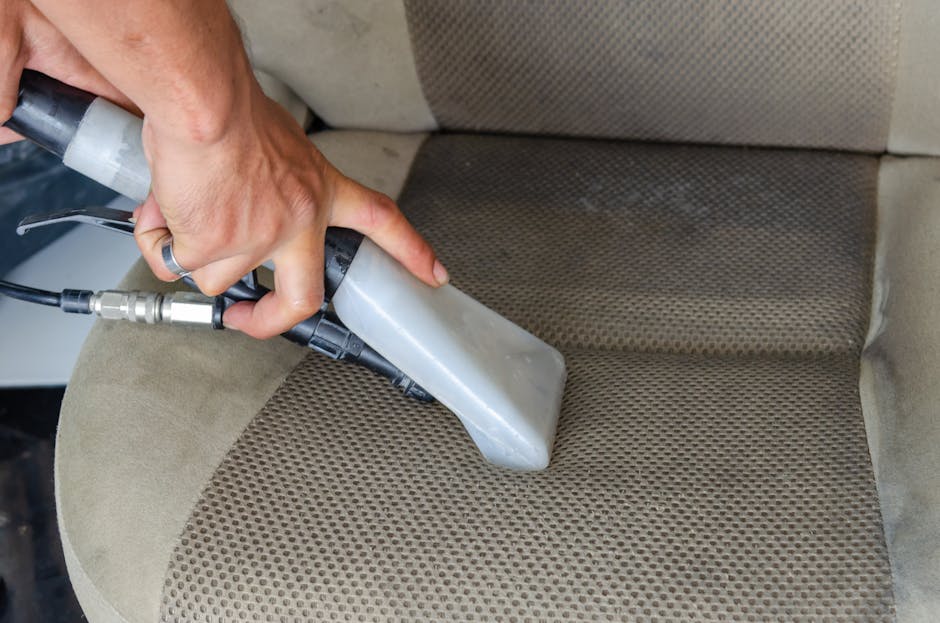
Upholstery cleaning Pinner Station fast service: a practical guide for busy homes and businesses
If you need Upholstery cleaning Pinner Station fast service, you are probably not looking for a long waiting list or a vague promise. You want the sofa sorted, the armchair freshened up, and the room back to normal without the whole thing turning into a production. Fair enough. Whether it is a coffee spill before guests arrive, pet odour that has settled into the fabric, or just everyday wear making your seating look tired, fast upholstery care can make a very real difference.
This guide explains what fast upholstery cleaning actually involves, how the process works, what good service looks like, and how to choose the right approach for your fabric and your schedule. You will also find practical tips, common mistakes to avoid, and a simple checklist you can use before booking. If you want to compare related services too, it can help to look at upholstery cleaning options alongside sofa cleaning, stain removal, and even pet stain and odour removal if the issue is a bit more stubborn. Sometimes the answer is broader than one single stain.
Table of Contents
- Why fast upholstery cleaning matters
- How the service works
- Key benefits and practical advantages
- Who it is for and when it makes sense
- Step-by-step guidance
- Expert tips for better results
- Common mistakes to avoid
- Tools, resources and recommendations
- Law, compliance and best practice
- Options and comparison table
- Case study / real-world example
- Practical checklist
- Conclusion
- Frequently asked questions
Why Upholstery cleaning Pinner Station fast service Matters
Upholstery is one of those things people stop noticing until it suddenly looks, well, a bit grim. A pale sofa picks up the story of family life in a very literal way: lunch crumbs, hand marks, muddy edges from school-run chaos, and the odd mystery patch you would rather not identify. Fast service matters because fabric contamination does not stay still. Spills spread, odours settle, and everyday soil works deeper into fibres the longer it sits there.
For busy households near Pinner Station, speed is not just convenience. It is about protecting the furniture you already own and reducing disruption. A quick response can stop a fresh stain from becoming permanent, and it can also help before a rental inspection, an event, a house move, or guests arriving at short notice. You know how it goes. The place suddenly has to look presentable by Friday afternoon. Of course it does.
Fast does not have to mean rushed. In good upholstery cleaning, speed comes from experience, planning, and the right method for the fabric. A careful technician should still check the material, test for colour fastness where needed, and use enough drying control to avoid leaving the item damp for too long. That balance is the real skill.
Practical takeaway: the best fast service is not just about arriving quickly. It is about cleaning efficiently, protecting the fabric, and helping the furniture dry in a sensible timeframe.
How Upholstery cleaning Pinner Station fast service Works
Fast upholstery cleaning usually follows a clear sequence, even when the booking itself is arranged quickly. The process may vary depending on the fabric type, level of soiling, and whether the item needs stain treatment, deodorising, or a deeper clean. In most cases, a professional approach will look something like this:
- Initial assessment - The fabric type, condition, and problem areas are checked. This helps avoid using the wrong moisture level or chemicals on sensitive material.
- Pre-treatment - Loose dirt and targeted marks are addressed before the main clean. A red wine mark, for example, needs different handling from general body oils or dusty build-up.
- Cleaning method selection - Depending on the fabric, the service may use low-moisture extraction, hot water extraction, specialist spotting, or other textile-safe techniques.
- Agitation and extraction - Soil is lifted from the fibres and removed. This is where the visible change often happens, and yes, it is usually satisfying to watch.
- Odour and finish treatment - If needed, lingering smells are treated and the pile or fabric is groomed for a more even finish.
- Drying guidance - Good service includes realistic advice on airflow, waiting time, and what to avoid while the upholstery dries.
Fast service does not always mean a same-hour miracle. Some fabrics need slower drying or more careful treatment. A knowledgeable cleaner should explain that clearly rather than promise the impossible. If someone says every fabric can be cleaned the same way in the same time, that is a bit of a red flag, to be fair.
If your home also needs other soft furnishing work, you may find it useful to pair upholstery cleaning with curtain cleaning or rug cleaning. Doing the whole room at once can save time and give a more even result visually.
Key Benefits and Practical Advantages
There is more to this service than making a sofa look nicer. Let's face it, appearance matters, but so does comfort and hygiene. A well-cleaned upholstered item feels better to use, smells fresher, and can help a room feel properly looked after again.
- Faster recovery from accidents - Fresh spill, ink mark, pet mess or food stain? Quick action improves the odds of a better result.
- Less disruption - Efficient cleaning reduces how long furniture is out of use, which matters in busy homes and workplaces.
- Improved indoor presentation - Clean seating makes a room look brighter and more cared for without needing new furniture.
- Odour reduction - Fabrics can trap smells from pets, smoke, cooking, damp air, and everyday use. Cleaning often helps more than people expect.
- Fabric care - Correct cleaning can help preserve the look and feel of upholstery rather than wearing it down with harsh DIY attempts.
- Better guest confidence - In a home, that matters. In a waiting room or office, it matters even more.
There is also a subtle but important benefit: once upholstery is properly cleaned, it becomes easier to maintain. Dust and body oils build up more slowly on fabrics that have been professionally refreshed. That does not make them magic. It just makes upkeep less of a battle.
For businesses, especially those with customer-facing seating, combining upholstery work with commercial carpet cleaning can create a cleaner first impression across the whole space. The eye notices inconsistency. A spotless sofa next to a tired carpet can still feel off.
Who This Is For and When It Makes Sense
Fast upholstery cleaning is useful for a wide range of people, but it is especially relevant when timing matters. You might need it after a sudden accident, before visitors arrive, or when a room is being repurposed and needs to look decent quickly.
Homeowners and tenants
If you are dealing with everyday wear in the lounge, a stained dining chair, or a sofa that has picked up pet odour, fast service is a practical fix. Tenants often use it before moving out or during a final tidy-up, because upholstery can quietly make a room look older than it really is.
Landlords and letting agents
Soft furnishings can affect how fresh a property feels during handover or viewings. A clean sofa or armchair is not a luxury detail. It can be part of the overall presentation, especially in furnished rentals.
Offices and reception areas
Waiting rooms, client lounges, and meeting spaces often have upholstered chairs that see constant use. Fast cleaning reduces downtime and helps avoid that slightly neglected look that builds up when everyone is too busy to notice.
Families with pets or children
If there are dogs, cats, or small people with sticky fingers in the house, you already know the challenge. Spills happen. Hair happens. Smells happen. No judgement here. It is just life. Fast upholstery cleaning gives you a reset without making a mountain out of it.
Sometimes, though, fast cleaning is not the first step. If the item is fragile, antique, badly watermarked, or showing signs of fibre damage, a cautious inspection matters more than speed. The right answer may be cleaning, but it may also be treatment of one problem area rather than the whole item.
Step-by-Step Guidance
If you want the best outcome from a fast upholstery cleaning appointment, a little preparation goes a long way. Nothing dramatic. Just sensible groundwork.
- Check the fabric type
Look for any care label or maker's guidance. Some fabrics handle moisture well, while others need a more delicate method. If in doubt, say so when you book. - Identify the main issue
Is it a spill, general dullness, pet smell, grease marks, or a mix of everything? The cleaner can work faster if they know what they are dealing with from the start. - Clear access
Move small items, blankets, cushions, ornaments, and anything fragile away from the area. It saves time and reduces the risk of accidental knocks. - Point out stains early
Show the worst patches before the work begins. A technician can then pre-treat the key areas instead of discovering them halfway through. That sounds obvious, but people forget it all the time. - Ask about drying time
Fast service should include realistic drying guidance. Airflow, heating, and room conditions all matter. - Plan the room use
Try not to schedule the clean right before a big sit-down evening if you can help it. A little buffer time makes life easier. - Follow the aftercare advice
Do not sit on the fabric too soon, and avoid adding your own cleaners afterward unless advised. Two treatments stacked together often create new problems.
A sensible provider will also explain where upholstery cleaning sits alongside other care options, such as mattress cleaning for bedroom hygiene or steam carpet cleaning for floor textiles. It is all part of the same broader fabric-care picture.
Expert Tips for Better Results
In our experience, the best results usually come from small decisions made before the cleaner even starts. Here are the things that genuinely help.
- Don't wait until a stain is set if you can avoid it. Fresh marks are generally easier to address than old ones, especially on absorbent fabrics.
- Use airflow, but not heat blasts. Open windows where practical, use fans sensibly, and let the fabric dry steadily. Blasting it with intense heat can sometimes leave rings or distort the pile.
- Test any DIY product first. A tiny hidden spot is the place to experiment, not the front of the sofa. Common sense, really, but it gets skipped.
- Be honest about the stain. Coffee, makeup, ink, grease, wine, pet accidents - they each behave differently. The cleaner is not going to be offended if you say what happened.
- Ask for the recommended method. A good provider should be able to explain why one fabric needs gentle low-moisture care while another can take a deeper extraction process.
- Don't over-wet the fabric. This is one of the biggest DIY mistakes. More water is not more cleaning. Usually it is just more drying time and more chance of trouble.
Small tip, and it really does help: take a quick photo of the stain before the appointment. Not for drama. Just for comparison. You may be surprised by how much you forget once the furniture starts looking better again.
If the item is heavily marked, a layered approach is often best - targeted stain treatment first, then the overall clean. That approach is slower than a single-pass blast, but it usually looks better in the end.
Common Mistakes to Avoid
Fast service can tempt people into shortcuts. That is where things go sideways. A little restraint saves money and frustration.
- Using the wrong cleaner on the wrong fabric - Some products can bleach dyes, stiffen fibres, or leave residue.
- Rubbing stains aggressively - This often drives the mark deeper into the weave and makes the affected area look fuzzy.
- Ignoring odour sources - If pet odour or moisture smell has reached the padding, surface cleaning alone may not fully solve it.
- Booking purely on speed - Fast availability is useful, but method and fabric knowledge matter more than a flashy promise.
- Not asking about drying - People often assume the fabric will be ready sooner than it really is, then wonder why the room still feels damp.
- Trying to mask smells with fragrance - That just gives you perfume on top of the problem. Not ideal.
One more thing: if the upholstery has structural damage, tears, loose stitching, or collapsed padding, cleaning alone will not fix that. It may improve the appearance, but it will not rebuild the furniture. Worth saying, because expectations matter.
Tools, Resources and Recommendations
You do not need a cupboard full of gadgets to care for upholstery properly, but the right tools make a difference. Professional cleaners typically rely on fabric-safe extraction systems, targeted stain tools, gentle brushing, and controlled drying support. For home care, the basics are simple:
- a soft white cloth for blotting
- a vacuum with upholstery attachment
- a mild, fabric-appropriate spot treatment if recommended
- clean towels for moisture control
- a fan or good airflow for drying
For customer service and planning, a few practical pages can also help set expectations. Before booking, it is sensible to review pricing and quotes, check payment and security, and read the company's insurance and safety information. That is not overthinking it. It is just being careful, which is probably how you want someone handling your sofa.
If you want to learn more about the business background and approach, about us is useful. For general service questions or to arrange an appointment, the simplest next step is to use the contact page. For full transparency on service terms, the terms and conditions and privacy policy can also be worth a quick look.
If sustainability matters to you, the company's recycling and sustainability page is a sensible place to check how waste and materials are handled. It is a small detail, but not a meaningless one.
Law, Compliance, Standards, or Best Practice
Upholstery cleaning is not usually a heavily regulated service in the way some medical or trade activities are, but it still sits within normal UK expectations around safety, consumer fairness, and responsible business conduct. That means a trustworthy provider should be careful about chemicals, honest about limitations, and clear about what happens if something goes wrong.
Good practice usually includes:
- using suitable products for the fabric and condition of the item
- checking for visible damage before starting work
- being transparent about drying times and likely outcomes
- handling customer data and contact details properly
- maintaining sensible health and safety procedures for staff and customers
It is also reasonable to ask whether a company has documented health and safety controls and a clear complaints process. If you ever need that reassurance, the relevant pages should be easy to find, including health and safety policy and complaints procedure. Nobody plans to use those pages, but it is better that they exist and are straightforward if needed.
For many customers, the key standard is much simpler: does the cleaner treat your home or premises with care, communicate clearly, and leave the place genuinely better? That is the standard that counts. The rest should support it.
Options, Methods, or Comparison Table
Different upholstery cleaning methods suit different situations. There is no single winner for every fabric, despite what some marketing copy might imply.
| Method | Best for | Typical strengths | Things to watch |
|---|---|---|---|
| Low-moisture cleaning | Delicate fabrics, quicker drying needs | Faster turnaround, less saturation | May need more careful stain work |
| Hot water extraction | Heavier soil and general deep cleaning | Strong soil removal and refreshment | Drying time is usually longer |
| Targeted stain treatment | Specific marks like food, drink, or grease | Focused, efficient, less invasive | Not a full clean on its own |
| Odour treatment | Pet smells, stale air, lingering contamination | Helps freshen fabric at source | May not solve padding issues alone |
Choosing the right method is less about the trendiest technique and more about what the fabric can tolerate. A velvet chair, for example, is not the same job as a synthetic family sofa. Obvious maybe, but plenty of damage starts with the wrong assumption.
Case Study or Real-World Example
Picture a busy household near Pinner Station on a Thursday afternoon. A cream corner sofa has two issues at once: a fresh coffee spill on one seat and a lingering pet smell near the armrest. Guests are due at the weekend. The furniture does not need replacing, but it does need help quickly.
In a situation like that, a sensible cleaner would probably begin with the spill area, assess the fabric, and then treat the odour source more broadly. The coffee mark may lift well because it is fresh, while the smell might need a deeper pass and more drying control. The owner, meanwhile, can do a few simple things: clear the area, keep pets off the sofa, and allow steady airflow in the room.
The important part is expectation management. Fast service does not always mean instant perfection, and that is okay. Sometimes the first visit gives you a dramatic improvement and a cleaner, fresher room. Sometimes it needs a follow-up on especially stubborn staining. What matters is that the furniture is moving in the right direction, not simply being masked with fragrance and optimism.
That is where experience shows. A good technician will not oversell the outcome, and a good customer does not need fairy tales - just a clear plan and a proper finish.
Practical Checklist
Use this before your appointment. It keeps things simple.
- Identify the main issue: stain, odour, dullness, or general wear
- Check whether the item has a care label or fabric note
- Move cushions, throws, and small objects out of the way
- Make a note of the worst stains and when they happened
- Ask about the likely cleaning method and expected drying time
- Plan where people and pets will sit while the fabric dries
- Keep windows or airflow options in mind for afterwards
- Read the pricing, payment, insurance, and terms pages if you are comparing providers
- Decide whether related cleaning, such as carpets or curtains, should be done at the same time
- Save the cleaner's contact details in case you need to ask a follow-up question
Expert summary: Fast upholstery cleaning works best when the stain is identified early, the fabric is treated correctly, and drying is managed properly. Speed helps, but judgement matters more.
Get a free quote today and see how much you can save.
Conclusion
Upholstery cleaning near Pinner Station is at its best when it is quick, careful, and straightforward. You want a service that understands fabric, handles stains without drama, and respects your time. That combination is what turns a stressful spill or tired-looking sofa into something you can comfortably live with again.
If you are comparing options, focus on method, trust, and clarity rather than speed alone. Ask sensible questions, check the supporting information, and make sure the cleaner's approach fits the fabric in front of you. That is the sort of decision that pays off later - when the room feels fresher, the furniture looks right again, and you do not have to keep noticing the mark every time you walk past.
Sometimes the smallest reset makes the whole space feel lighter. Funny how that works, really.
Frequently Asked Questions
How fast is Upholstery cleaning Pinner Station fast service usually?
It depends on the size of the furniture, the fabric type, and how much stain or odour treatment is needed. Fast service usually means quick scheduling and efficient on-site work, not a careless rush.
Can all upholstery fabrics be cleaned the same way?
No. Cotton, synthetic blends, velvet, wool mixes, and delicate decorative fabrics can all need different handling. That is why fabric identification matters before any cleaning starts.
Will fast upholstery cleaning remove old stains?
Sometimes it will improve them significantly, sometimes only partly. Old stains often settle deeper into fibres, so results vary. A proper assessment is the best way to judge what is realistic.
How long does upholstery take to dry?
Drying time depends on the method used, room airflow, temperature, and the fabric itself. Low-moisture cleaning usually dries faster, while deeper extraction can take longer.
Is it safe to clean a sofa with pets or children around?
Yes, if suitable cleaning products and sensible procedures are used. It is still wise to keep pets and children away from the item while it dries, just to avoid re-soiling or accidental contact.
Should I vacuum upholstery before the cleaner arrives?
If you can do so gently, it helps remove loose dust and debris. But do not worry if you cannot. A professional cleaner will usually do their own preparation as part of the service.
What is the difference between sofa cleaning and upholstery cleaning?
Sofa cleaning is a type of upholstery cleaning. Upholstery cleaning is the broader term and can include chairs, stools, benches, dining seats, and other fabric-covered furniture.
Can upholstery cleaning help with pet odours?
Yes, it often can, especially when the smell is in the fabric rather than deep inside the padding. If the odour has soaked further through the furniture, a more targeted approach may be needed.
How do I know if a cleaner is trustworthy?
Look for clear explanations, sensible questions about fabric type, transparent pricing, and straightforward information about insurance, safety, and terms. If a provider sounds vague, that is worth paying attention to.
Is it worth cleaning an older sofa?
Often, yes. Even an older piece can look fresher, smell better, and feel more comfortable after a proper clean. If the frame or padding is failing, though, cleaning will only do so much.
Can upholstery cleaning be done alongside carpet cleaning?
Yes, and many people choose to combine the two for convenience and a more consistent overall result. It can be especially useful before a move, event, or seasonal refresh.
What should I do if a stain comes back after drying?
Contact the cleaner and explain what happened. Some stains wick back to the surface as they dry, so a follow-up treatment may be needed. It is better to mention it early than leave it sitting there and hope for the best.